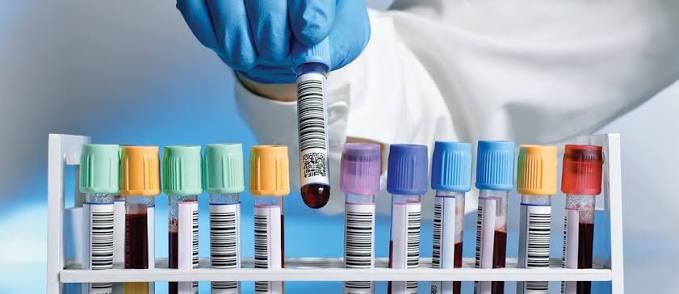
Discover the Many Career Opportunities in Medical Laboratory Science
Medical laboratory science is an essential part of modern healthcare. Before many patients receive treatment, laboratory professionals help doctors and other healthcare workers understand what is happening inside the patient’s body through scientific testing and analysis.
For students considering a career in medical laboratory science, the field offers opportunities in hospitals, health centres, diagnostic laboratories, research institutions, public health programmes, universities, private laboratories and other healthcare organizations.
1. Medical Laboratory Technologist
One of the most common career paths is working as a medical laboratory technologist. These professionals perform laboratory tests on blood, urine, stool, body fluids and other clinical specimens.
They may work in areas such as haematology, clinical chemistry, microbiology, parasitology and immunology. Their results help healthcare professionals diagnose diseases, monitor treatment and make informed medical decisions.
2. Medical Laboratory Technician
Medical laboratory technicians support diagnostic services by collecting, preparing and processing specimens and performing laboratory procedures according to established standards.
They can work in hospitals, clinics, laboratories and other healthcare facilities, contributing directly to patient diagnosis and care.
3. Microbiology Laboratory Professional
Microbiology focuses on microorganisms such as bacteria, fungi, parasites and other organisms that can cause disease.
Professionals working in microbiology laboratories help identify infectious organisms and support healthcare teams in selecting appropriate treatment. Microbiology is also important in disease surveillance and infection prevention.
4. Haematology Professional
Haematology focuses on blood and blood-related disorders. Professionals in this area examine blood samples and perform tests that can help identify conditions such as anaemia, infections and other blood disorders.
This field also plays an important role in blood transfusion services and monitoring patients.
5. Clinical Chemistry Professional
Clinical chemistry involves analysing substances found in blood and other body fluids. Laboratory professionals in this area perform tests related to kidney function, liver function, blood sugar, electrolytes and other important indicators of health.
Their work provides valuable information for diagnosis and monitoring of many diseases.
6. Parasitology Professional
Parasitology focuses on parasites that affect human health. Laboratory professionals examine specimens to identify parasites and support the diagnosis and management of parasitic infections.
This area is particularly important in regions where diseases such as malaria and other parasitic infections remain significant public health concerns.
7. Blood Transfusion Services
Medical laboratory professionals can also develop careers in blood transfusion services. They help test, process, store and prepare blood and blood components for safe transfusion.
This work requires a high level of accuracy, responsibility and adherence to safety procedures because transfusion services are directly connected to patient safety.
8. Public Health Laboratory Careers
Medical laboratory professionals can work in public health programmes involved in disease surveillance, outbreak investigations, screening and community health programmes.
Their work can contribute to identifying disease trends and supporting public health authorities in responding to health challenges.
9. Research and Laboratory Science
Students interested in scientific discovery can pursue careers in medical and biomedical research. Research laboratories investigate diseases, diagnostic methods, medicines, treatments and other areas of human health.
With additional education and experience, laboratory professionals can progress into research, academic and scientific positions.
10. Laboratory Management and Quality Assurance
Experienced laboratory professionals can move into supervisory, management and quality assurance roles.
These positions involve coordinating laboratory operations, managing staff, maintaining equipment, monitoring quality standards and ensuring that laboratory services remain accurate, safe and reliable.
11. Careers in Private Diagnostic Laboratories
The growth of private healthcare has created opportunities for laboratory professionals in privately operated diagnostic centres and medical laboratories.
Professionals may work in sample collection, testing, laboratory operations, quality control and other specialized areas.
12. Teaching and Academic Careers
With further education and professional experience, medical laboratory professionals can also pursue careers in teaching and training.
They may work in training institutions, colleges and universities, helping prepare the next generation of laboratory professionals.
A Career Built on Science, Service and Impact
A career in medical laboratory science offers much more than working behind a laboratory bench. It can open doors to diagnostic services, public health, research, blood transfusion, quality assurance, laboratory management, education and specialized scientific fields.
For students at Medical Laboratory Training School Jinja, the journey begins with acquiring strong scientific knowledge, practical skills, professional discipline and a commitment to accuracy.
The laboratory may be behind the scenes, but its contribution to healthcare is at the centre of patient diagnosis and treatment.
Start your journey today and prepare for a rewarding career in medical laboratory science.