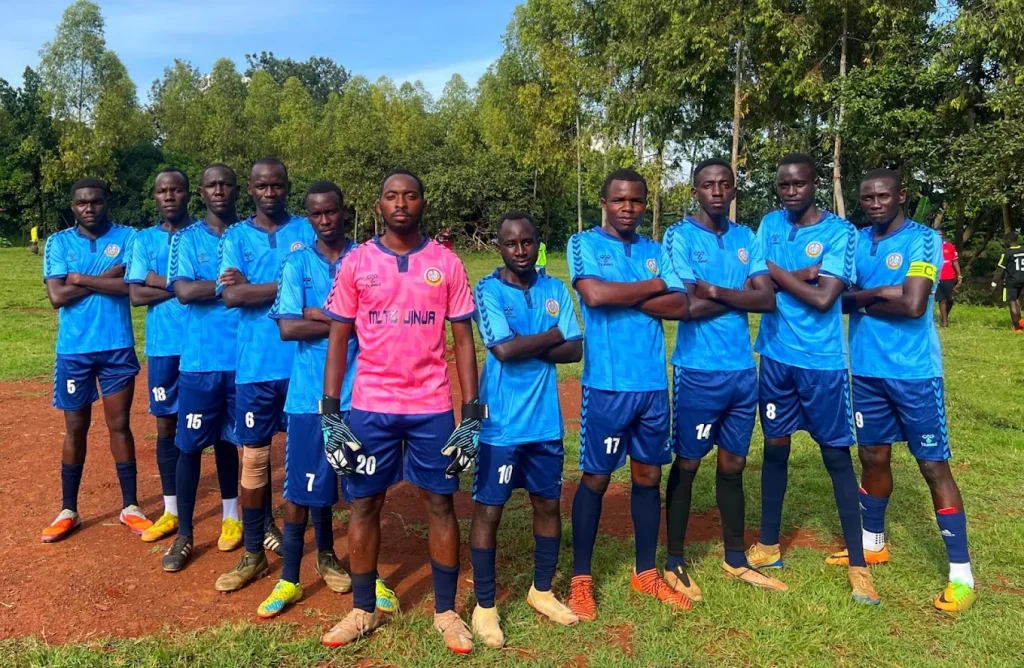
At the Medical Laboratory Training School Jinja, education goes beyond lectures, practical sessions and laboratory training. Students are encouraged to participate in sports and physical activities as an important part of their personal, social and educational development.
Sports provide students with an opportunity to refresh their minds, maintain physical fitness and build meaningful relationships with their classmates. Through activities such as football, netball, athletics, volleyball and other recreational games, students develop qualities that are equally important in their future professional careers.
Developing Teamwork and Cooperation
Medical laboratory work is highly collaborative. Laboratory professionals work with doctors, nurses, fellow laboratory scientists and other healthcare workers to provide accurate and timely services to patients.
Sports help students understand the importance of teamwork, communication and cooperation. On the playing field, students learn how to work together toward a common goal, respect different abilities and support one another. These same qualities can later be applied in healthcare settings.
Promoting Discipline and Time Management
Balancing academic work with sports teaches students how to manage their time effectively. Students learn to attend lectures, complete assignments, prepare for practical sessions and still make time for physical activity.
Sports also encourage discipline, commitment and responsibility. These qualities are essential in medical laboratory practice, where accuracy, professionalism and attention to detail can directly affect patient care.
Supporting Mental and Physical Wellbeing
Training to become a medical laboratory professional can be demanding. Students spend considerable time studying scientific concepts, conducting practical work and preparing for examinations.
Physical activity provides an important opportunity to reduce stress, stay active and maintain a healthy lifestyle. Research has found that physical activity can support attention, memory, classroom behaviour and aspects of academic performance.
Sports can also strengthen students’ sense of belonging and social connection. Regular participation has been associated with improved wellbeing and stronger social outcomes among students.
Learning Important Life Skills
Sports teach lessons that cannot always be learned from textbooks. Students experience both victory and disappointment, learning how to remain confident when they succeed and resilient when things do not go according to plan.
They learn leadership, communication, patience, problem-solving, cooperation and respect. These are valuable skills for future laboratory professionals who will work as part of multidisciplinary healthcare teams.
Creating a Vibrant School Community
Sports also bring students and staff together. Friendly competitions and recreational activities create opportunities for interaction outside the classroom and help build a stronger school community.
For a medical training institution, this balance is important. Students need academic excellence, but they also need the physical wellbeing, interpersonal skills and confidence required to serve patients and communities effectively.
Preparing Professionals Beyond the Classroom
The Medical Laboratory Training School Jinja recognizes that producing competent laboratory professionals requires more than academic knowledge. Students need to develop as responsible, healthy, disciplined and cooperative individuals.
Through sports and other extracurricular activities, students are given opportunities to discover their talents, build friendships and develop qualities that will remain valuable throughout their professional lives.
At Medical Laboratory Training School Jinja, every student is being prepared not only for a career in the laboratory, but also for a life of teamwork, service, discipline and excellence.